White House : and Minnesota Leaders Signal De-Escalation After Immigration Enforcement Crisis
White House: President Donald Trump and Minnesota Governor Tim Walz struck a calmer tone Monday following a private phone call, suggesting both sides are seeking to ease tensions after weeks of turmoil tied to a federally ordered immigration enforcement operation in Minneapolis. The shift came after two U.S. citizens were killed during confrontations involving federal agents, events that sharply escalated political and public backlash across the state.
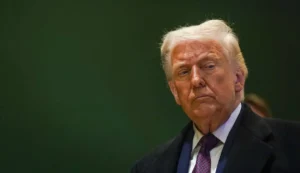
Signs of Improved Dialogue
The call between Trump and Walz was followed by a separate conversation between the president and Minneapolis Mayor Jacob Frey. Public comments from all three officials were notably measured, marking a departure from the hostile rhetoric that had defined earlier exchanges between federal authorities and local leaders. Both the White House and state officials characterized the discussions as constructive, raising expectations that a path toward de-escalation may be emerging.
Changes in Federal Command Presence
Adding to the sense of a reset, a senior administration official confirmed that Gregory Bovino, a senior U.S. Border Patrol figure who had overseen federal operations in Minnesota, would be departing the state along with some of the agents assigned under his leadership. Bovino has been a visible and controversial figure during the enforcement drive, frequently appearing at operations involving heavily armed federal personnel.
The official said Trump’s designated border enforcement coordinator, Tom Homan, would assume oversight of the Minnesota deployment under what the administration has called Operation Metro Surge. Trump stated earlier that Homan had not been directly involved in recent enforcement actions but was familiar with personnel working in the region.
Uncertainty Surrounding Bovino’s Status
Accounts regarding Bovino’s future role varied. One source familiar with the matter said he had been stripped of a specially created title and reassigned to his former post as a chief patrol agent in California’s El Centro sector, with plans to retire soon afterward. Another source confirmed the reassignment but did not address retirement plans.
The Department of Homeland Security publicly disputed reports that Bovino had been removed from his duties, emphasizing that he remained employed by the agency. The conflicting statements underscored broader confusion surrounding leadership changes at a moment of heightened scrutiny.
Fatal Incidents Intensify Scrutiny
The developments followed the fatal shooting of Alex Pretti, a 37-year-old intensive care nurse, during a confrontation between federal agents and protesters over the weekend. The incident ignited widespread outrage after video footage circulated online appeared to challenge the federal government’s initial account of events.
Bovino and other federal officials described Pretti as the aggressor, asserting that agents acted in self-defense. However, independent verification of the video by Reuters showed Pretti holding a mobile phone as officers restrained him. A firearm was later removed from his waistband after he had been subdued. Pretti was a licensed gun owner.
Earlier Shooting Raises Further Questions
The Minneapolis shooting followed a separate January incident in which Renee Good, a 37-year-old mother of three and immigration enforcement critic, was killed by a federal agent while seated in her car. As with Pretti, Good was a U.S. citizen. Video evidence later contradicted initial claims that she attempted to use her vehicle as a weapon.
In both cases, the U.S. Justice Department has not yet opened formal investigations into the actions of the agents involved. Minnesota officials have accused federal authorities of obstructing state-level inquiries, leading to legal disputes over access to and preservation of evidence.
Efforts to Reduce Tensions
By Monday, officials on both sides appeared motivated to lower the temperature. Trump said he and Walz shared similar views on how to move forward, despite earlier objections from state leaders to the deployment of roughly 3,000 federal immigration agents in the Minneapolis–St. Paul area.
Walz’s office said Trump expressed openness to scaling back the federal presence and agreed to ensure Minnesota investigators could proceed with their own review of the Pretti case. Frey echoed those sentiments, saying there was mutual acknowledgment that current conditions were unsustainable and that some federal agents would begin leaving the region.
Political Fallout Grows
Public support for the administration’s immigration tactics showed signs of weakening following the latest shooting, according to a recent national poll. Reflecting that shift, Republican gubernatorial candidate Chris Madel withdrew from the race, citing opposition to what he described as excessive enforcement measures that had alienated voters.
As federal and state officials continue negotiations, the focus now turns to whether these early steps will translate into lasting changes on the ground and greater accountability in cases that have shaken public confidence.