Washington State: Federal Flood Mitigation Projects in Face Prolonged Uncertainty Amid Rising Climate Risks
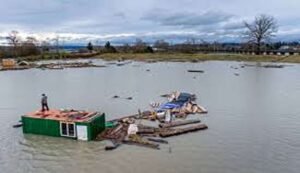
Washington State : has recently experienced a series of powerful storms that caused severe flooding, widespread property damage, and significant disruption to daily life. As communities assess the aftermath, the situation has once again underscored the urgent need for long-term flood mitigation planning. However, several critical flood prevention and disaster preparedness projects across the state remain stalled due to delayed federal funding decisions, creating uncertainty for local governments and residents alike.
Growing Impact of Extreme Weather Events
The recent storms were driven by atmospheric river systems, weather patterns that carry immense amounts of moisture from tropical Pacific regions. These systems can release intense rainfall over short periods, overwhelming rivers, levees, and drainage infrastructure. During the latest events, thousands of homes were flooded, over a thousand rescues and evacuations were carried out, and at least one fatality was reported.
Climate scientists have consistently warned that warming global temperatures are changing precipitation patterns in the Pacific Northwest. More winter precipitation is now falling as rain instead of snow, increasing runoff and raising flood risks. At the same time, rainfall intensity is becoming more extreme, making communities more vulnerable to sudden and destructive flooding.
Importance of Proactive Flood Mitigation
Flood mitigation projects are designed to reduce long-term damage by addressing risks before disasters occur. These initiatives include elevating homes, relocating residents from high-risk zones, strengthening levees, building floodwalls, and redesigning roadways to withstand higher water levels. Studies show that investments in pre-disaster mitigation are highly cost-effective, often saving multiple dollars in recovery costs for every dollar spent.
Despite their proven value, many of these projects take years to plan and complete. Delays in funding can significantly slow progress, leaving communities exposed to future storms that could cause even greater losses.
Federal Funding Delays and Legal Challenges
Washington State had previously secured substantial federal funding for flood mitigation and disaster prevention initiatives. These funds were intended to support dozens of projects across coastal, riverine, and inland communities. However, attempts by the federal administration at the time to cancel or withhold portions of this funding led to legal disputes and prolonged delays.
While recent court decisions have favored the states seeking restoration of funding, the actual release of money has yet to occur. As a result, many projects remain on hold, even as design, permitting, and early construction costs have already been incurred by state and local agencies.
Coastal and Inland Communities at Risk
Along the Washington coast, planned flood protection systems such as earthen levees, concrete floodwalls, and elevated roadways were meant to safeguard economically vulnerable towns. Local governments had already invested heavily in preparation work, anticipating federal support. The uncertainty surrounding funding has created anxiety among residents who view these projects as essential to economic stability and long-term safety.
In inland areas, flood mitigation plans included relocating residents from repeatedly flooded mobile home parks and reinforcing aging levees that are nearing structural failure. During recent storms, some of these areas narrowly avoided catastrophic damage, highlighting how close communities are to severe outcomes without improved infrastructure.
Delayed Disaster Prevention Grants
In addition to stalled mitigation program funding, other disaster prevention grants have been delayed due to new federal approval requirements. These grants were intended to support property acquisition and elevation programs for homes that have flooded multiple times over the past decade. The goal was to convert vulnerable properties into open spaces that can safely absorb floodwaters, reducing future damage.
Hundreds of properties across Washington have been identified as candidates for voluntary participation in these programs. However, delays in grant approval have prevented progress, leaving homeowners in flood-prone areas uncertain about their options.
Long-Term Consequences of Inaction
While the delayed projects may not have prevented damage from the most recent storms due to their long timelines, their absence increases the risk of future disasters. Atmospheric river events are expected to continue, and without sustained investment in mitigation, recovery costs will rise, insurance burdens will grow, and community resilience will weaken.
State and local officials emphasize that consistent funding and streamlined approval processes are essential to maintaining momentum on these projects. Flood mitigation is not a one-time effort but an ongoing commitment that requires coordination, planning, and long-term financial support.
Moving Forward with Resilience Planning
As Washington State looks ahead, the focus remains on securing delayed funds and resuming halted projects as quickly as possible. Continued legal clarity, administrative cooperation, and recognition of climate-driven risks will be key to protecting communities from increasingly severe flooding events.
The recent storms serve as a reminder that preparation, not reaction, is the most effective strategy for reducing disaster impacts. Ensuring that mitigation projects move forward is critical for safeguarding lives, homes, and the economic future of vulnerable regions.