Vanishing Winters : and the Silent Warning of a Warming Climate
Vanishing Winters: The steady rise in global temperatures is no longer a distant scientific projection; it is a lived reality unfolding across regions that once depended on cold, predictable winters. Heat trapped in Earth’s atmosphere is reshaping seasonal patterns, and winter is changing faster than many expected. Areas known for snow-covered landscapes are now witnessing rain, bare ground, and warmer days. This shift is not just an inconvenience for travelers or seasonal businesses, but a clear signal of deeper environmental imbalance.
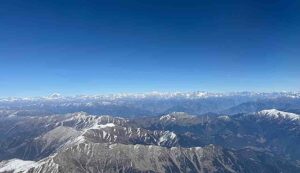
A Winter Without Snow in the Mountains
Recent observations from Southern California highlight how dramatic these changes have become. In the San Bernardino Mountains, the popular tourist destination of Big Bear Lake has experienced an unprecedented winter with no measurable snowfall during a period when snow is typically abundant. Instead of snowflakes accumulating on slopes and rooftops, precipitation has fallen as rain, indicating that temperatures have remained above freezing even at higher elevations.
Meteorological data confirms this unusual pattern. According to reports from the National Weather Service, average winter temperatures in the region have risen far beyond historical norms. The typical seasonal high of around 47 degrees Fahrenheit has been replaced by averages closer to 60 degrees, a significant jump that explains why snow formation has failed. When air temperatures do not drop low enough, water vapor cannot crystallize into snow, fundamentally altering the mountain climate.
How Temperature Shifts Affect Regional Climate
The absence of snow in mountain regions is more than a local anomaly. Snowpack acts as a natural water reservoir, slowly releasing moisture into rivers and soil as it melts. When precipitation falls as rain instead, water runs off quickly, increasing the risk of erosion and flooding while reducing long-term water availability. This imbalance places pressure on ecosystems that rely on gradual seasonal melt to survive through warmer months.
Similar temperature patterns are emerging across other parts of the United States. Data compiled by the National Centers for Environmental Information shows that states such as Oregon, Colorado, and large portions of New England have also experienced unusually mild winters. These widespread trends suggest that the issue is systemic rather than isolated, pointing to broader atmospheric changes influencing weather nationwide.
Economic and Environmental Consequences
Warmer winters carry serious economic implications, especially for communities dependent on winter tourism. Resorts built around skiing, snowboarding, and seasonal recreation face shortened seasons or complete shutdowns, affecting local employment and revenue. In places like Big Bear Lake, businesses that rely on consistent snowfall must now adapt to unpredictable conditions or risk long-term decline.
Environmental consequences are equally concerning. Increased rainfall in mountainous areas raises the likelihood of flash floods and landslides, threatening homes, roads, and public infrastructure. Wildlife habitats are disrupted as species adapted to cold environments struggle to find suitable conditions. Additionally, warmer air and ocean temperatures contribute to more intense storms, amplifying damage when extreme weather events occur.
The Role of Carbon Pollution
At the heart of these changes lies the accumulation of heat-trapping gases in the atmosphere. Carbon pollution, largely produced by fuel-dependent industries, transportation systems, and deforestation, prevents heat from escaping into space. Over time, this trapped energy raises global temperatures and destabilizes established climate patterns.
The degradation of natural carbon sinks compounds the problem. Forests and oceans, which once absorbed vast amounts of carbon dioxide, are becoming less effective due to logging, pollution, and warming waters. As a result, more carbon remains in the atmosphere, accelerating the cycle of warming and environmental stress.
Steps Toward a Cooler Future
Addressing climate change requires action at multiple levels. Governments and institutions play a crucial role by setting decarbonization targets, investing in renewable energy, and supporting policies that reduce emissions. Expanding clean energy infrastructure not only lowers carbon output but also creates new economic opportunities in sustainable industries.
Individual choices also matter. Everyday decisions such as using public transportation, reducing energy consumption at home, and choosing energy-efficient appliances contribute to collective progress. While a single action may seem small, widespread participation can significantly reduce overall emissions and slow the pace of climate change.
Looking Ahead
The disappearance of winter snow in traditionally cold regions is a warning that cannot be ignored. These changes reflect a planet under stress, responding to decades of environmental pressure. Recognizing the connection between human activity and shifting climate patterns is the first step toward meaningful solutions. By combining policy-driven change with individual responsibility, there remains an opportunity to protect ecosystems, economies, and future generations from the most severe impacts of a warming world.