US–India Strategic Partnership: Policy Decisions, Economic Impact, and the Road Ahead
US–India Strategic Partnership: The relationship between the United States and India has long been viewed as one of the most important strategic partnerships of the twenty-first century. However, several policy decisions taken during the Trump administration, including a steep increase in H1B visa fees and the imposition of high tariffs on Indian goods, have raised serious concerns among American lawmakers. According to members of the US Congress, these measures have not only affected India but have also harmed American businesses and weakened people-to-people connections that form the foundation of bilateral ties.
Congressional Perspective on US–India Relations
During a hearing of the House Foreign Affairs Subcommittee on South and Central Asia, US Representative Ami Bera emphasized that the US–India partnership enjoys strong bipartisan support. He noted that over the decades, multiple administrations and the US Congress have consistently recognized India as a key strategic partner. From a congressional standpoint, the goal has always been to deepen cooperation in areas such as economic growth, regional security, and geopolitical stability, particularly in the Indo-Pacific region.
Bera stressed that both nations share common aspirations for peace, prosperity, and long-term security. He underlined that closer engagement serves the interests of not only governments but also ordinary citizens in both countries. This shared vision, according to him, should guide future policymaking rather than short-term trade or immigration restrictions.
Impact of H1B Visa Fee Increase
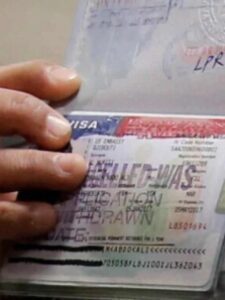
One of the most contentious decisions discussed during the hearing was the announcement of a $100,000 fee on H1B visas. Representative Bera argued that this move directly hurts American companies by making it harder for them to attract highly skilled professionals. Many US firms, especially in technology, healthcare, and research sectors, rely heavily on global talent, including professionals from India.
The increased fee, lawmakers believe, places American companies at a disadvantage in the global market. It also sends a negative signal about openness and innovation, values that have historically driven the US economy. In the broader context, such immigration policies risk undermining विश्वास, अवसर, and सहयोग between the two democracies.
Trade Tariffs and Economic Consequences
Democratic Congresswoman Pramila Jayapal raised strong objections to the 50 percent tariffs imposed on Indian goods. She pointed out that these tariffs have damaged India’s economy while simultaneously increasing costs for American businesses and consumers. According to her, trade barriers of this nature disrupt supply chains and reduce competitiveness, ultimately harming both sides.
Jayapal emphasized that economic partnership should be based on fairness and mutual benefit. She warned that aggressive tariff policies create unnecessary friction and distract from larger strategic goals, such as countering regional instability and ensuring a मुक्त और खुला इंडो-पैसिफिक.
Immigration Policies and People-to-People Ties
Addressing the broader immigration crackdown, Jayapal expressed concern that restrictive policies threaten long-standing people-to-people ties. She noted that shutting down legal pathways for immigration echoes a painful history of discriminatory quotas that once made it extremely difficult for Indians to migrate to the United States.
Drawing from personal experience as a former student visa and H1B visa holder, she explained how such policies affect real lives and families. Jayapal reaffirmed her commitment to ensuring strong and fair legal pathways for immigrants from India and other countries, highlighting the values of समानता and अवसर.
Role of Indian-Americans in the US
Jayapal also highlighted the rising incidents of anti-Indian sentiment in the United States, calling it deeply concerning. She underscored that Indian-Americans play a critical role in the US economy and society. From leading Fortune 500 companies and innovative startups to driving cutting-edge medical and scientific research, the community contributes significantly to national growth and development.
According to lawmakers, ignoring this contribution while enacting restrictive policies sends a contradictory message and risks alienating a vital segment of society.
Strategic and Geopolitical Challenges
Experts testifying at the hearing, including Dhruva Jaishankar, noted that the US–India relationship has strengthened considerably since 1998, especially after overcoming tensions related to India’s nuclear tests. However, he warned that progress has recently stalled, largely due to unresolved trade and tariff disputes.
Jaishankar argued that India has demonstrated willingness to open its markets, citing multiple trade agreements signed in recent years and ongoing negotiations. He suggested that solutions to trade disagreements are within reach if both sides adopt a pragmatic approach. Another challenge he identified was renewed US engagement with Pakistan’s military leadership, which raises strategic concerns in New Delhi.
The Way Forward
Overall, the hearing made it clear that while challenges exist, the foundation of the US–India partnership remains strong. Lawmakers and experts alike agreed that dialogue, mutual respect, and balanced policies are essential to move forward. Strengthening आर्थिक सहयोग, fostering people-to-people ties, and aligning strategic priorities will be crucial for ensuring that this partnership continues to thrive in a rapidly changing global landscape.