Kazakhstan : Global Diplomacy Takes a New Turn as Signals Support for a New Peace Framework
Kazakhstan: The evolving landscape of international diplomacy has taken an interesting turn with Kazakhstan stepping forward to participate in a newly proposed global peace initiative. This development highlights shifting alliances, renewed emphasis on conflict resolution, and the growing role of middle-power nations in shaping international stability. At a time when global conflicts continue to test diplomatic mechanisms, such initiatives are being closely watched by policymakers and analysts alike.
Background of the Proposed Board of Peace
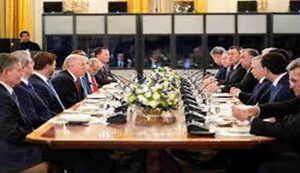
The proposed “Board of Peace” is an initiative put forward by United States President Donald Trump with the stated goal of addressing long-standing international conflicts through a structured global forum. According to available details, the board is designed as a permanent body with leadership continuity and a clear focus on conflict zones that have proven difficult to stabilize through traditional diplomatic channels. The initial priority of the board is the Gaza conflict, with plans to later expand its scope to other regions facing prolonged instability.
The concept reflects an attempt to blend political authority, financial commitment, and diplomatic participation into a single platform. By inviting dozens of countries to join, the initiative aims to create a broad coalition that can apply coordinated pressure and support toward peace-building efforts.
Kazakhstan’s Decision to Join the Initiative
Kazakhstan’s decision to participate carries symbolic and strategic significance. President Kassym-Jomart Tokayev accepted the invitation and conveyed his country’s willingness to contribute constructively to the proposed framework. Through an official communication sent to Washington, the Kazakh leadership expressed appreciation for the invitation and confirmed agreement to become part of the association.
This step aligns with Kazakhstan’s long-standing diplomatic posture, which emphasizes dialogue, multilateral cooperation, and conflict mediation. The country has previously positioned itself as a neutral ground for international negotiations, and this move reinforces that image on a broader global stage.
Commitment to Middle East Stability
A central aspect of Kazakhstan’s participation is its stated commitment to promoting stability in the Middle East. The region has long been affected by cycles of conflict that have global economic, political, and humanitarian consequences. By supporting an initiative that prioritizes peace in this area, Kazakhstan is signaling its readiness to engage beyond its immediate geographic neighborhood.
The Kazakh government has highlighted the importance of strengthening interstate trust and fostering global stability. These principles are consistent with its foreign policy approach, which seeks to balance relations with major powers while advocating for peaceful solutions to international disputes.
Structure and Membership Conditions
One of the more debated elements of the Board of Peace is its membership structure. While invitations have reportedly been extended to around sixty countries, permanent membership is tied to a significant financial contribution. This model introduces a unique blend of diplomacy and funding, suggesting that financial commitment is viewed as a measure of long-term dedication to the initiative’s goals.
Supporters argue that such contributions could ensure adequate resources for mediation, reconstruction planning, and humanitarian support. Critics, however, question whether financial thresholds might limit inclusivity or create disparities in influence among member states. These discussions are likely to intensify as more details about governance and decision-making processes emerge.
International Reactions and Media Coverage
The announcement of Kazakhstan’s involvement was first reported by a regional news outlet and later gained wider attention through international media, including Reuters. Coverage has focused on the novelty of the initiative, the scale of invitations, and the implications of a life-chaired leadership structure.
Global reactions have been mixed, ranging from cautious optimism to skepticism. Some observers see the initiative as an opportunity to inject fresh momentum into stalled peace efforts, while others emphasize the need for transparency, inclusiveness, and alignment with existing international institutions.
Implications for Global Diplomacy
Kazakhstan’s acceptance of the invitation underscores a broader trend in global diplomacy where mid-sized nations seek more active roles in shaping international outcomes. By engaging in high-profile initiatives, such countries can amplify their diplomatic voice and contribute to collective problem-solving.
For the international community, the success or failure of the Board of Peace could influence how future peace frameworks are designed. If effective, it may encourage more experimental models that combine political leadership, financial responsibility, and multinational participation. If not, it may serve as a case study in the challenges of reforming global conflict resolution mechanisms.
Conclusion and Future Outlook
As the Board of Peace moves from proposal to potential implementation, attention will remain focused on which countries choose to participate and how the initiative defines its operational strategy. Kazakhstan’s early endorsement positions it as a proactive contributor to global peace efforts and reinforces its reputation as a supporter of dialogue-driven solutions.
While many questions remain unanswered, the development reflects a shared recognition that existing approaches have not fully resolved some of the world’s most persistent conflicts. Whether this new framework can deliver meaningful progress will depend on sustained commitment, credible leadership, and genuine cooperation among its members.