Immigration – Minnesota Detainee Alleges Severe Beating by ICE Officers
Immigration – The 31-year-old Mexican national recalls waking in a hospital bed in Minneapolis with severe head injuries and confusion so profound that he struggled to remember his own daughter. Yet, he says, the violence he experienced during his arrest remains painfully clear.
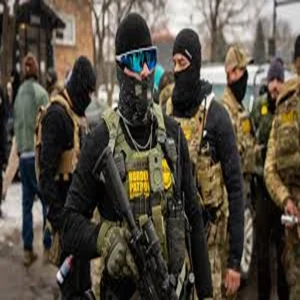
Arrest Outside St. Paul Shopping Center
Castañeda Mondragón says the encounter began on January 8 in a parking lot near a shopping center in St. Paul, Minnesota. He had been sitting in a friend’s vehicle when officers with U.S. Immigration and Customs Enforcement approached. According to his account, agents removed him from the car, forced him to the ground, placed him in handcuffs and repeatedly struck him, including blows to his head with a metal baton.
He says he was then taken to a nearby detention facility, where the alleged assault continued.
Hours later, court records show, he was transported to an emergency room in Edina before being transferred to Hennepin County Medical Center in Minneapolis. Medical scans revealed eight skull fractures and five brain hemorrhages, injuries that required urgent treatment.
“They started beating me right away,” he told The Associated Press in a recent interview.
Conflicting Accounts of His Injuries
Officers reportedly told hospital staff that Castañeda Mondragón had intentionally run headfirst into a wall. Medical professionals who treated him questioned that explanation. A CT scan showed fractures at multiple points around his skull — front, back and both sides — injuries that at least one physician described as inconsistent with a single impact against a wall.
Castañeda Mondragón disputes the officers’ version, stating there was no wall involved. He alleges that agents struck him with an expandable metal baton commonly carried by law enforcement. Use-of-force guidelines in many police departments restrict baton strikes to limbs and the torso, reserving blows to the head for situations involving lethal threats.
The Department of Homeland Security, which oversees ICE, has not publicly addressed detailed questions about his injuries. It is unclear whether body-camera footage or surveillance video captured the arrest.
Hospitalization Under Guard
During his hospitalization at Hennepin County Medical Center, ICE officers remained stationed near his room. Several medical staff members, speaking anonymously, said his injuries appeared severe and inconsistent with an accidental fall. Minnesota law requires health professionals to report injuries that may result from criminal activity, though hospital officials have not said whether such a report was filed.
Hennepin County Medical Center became a focal point of tension after details of the case emerged publicly. Following initial media coverage, administrators initiated an internal review concerning staff communications with reporters.
Video Footage Surfaces Online
A video shared on social media appears to show Castañeda Mondragón handcuffed and unsteady as masked officers escort him through a parking lot. Bystanders can be heard shouting concerns about his condition. He confirmed that he is the individual seen in the footage.
The arrest occurred amid heightened scrutiny of federal immigration enforcement in Minneapolis. In the days surrounding his detention, immigration operations in the city had already sparked public protests.
Court Ruling and Legal Questions
In a declaration filed in federal court, an ICE deportation officer stated that Castañeda Mondragón required emergency medical care for a head injury discovered during intake processing. The filing also noted that he had entered the United States legally in March 2022 but later overstayed his visa.
A federal judge subsequently ruled that his arrest was unlawful and ordered his release from custody.
Several Minnesota elected officials have since called for an investigation into the circumstances of his injuries. The Ramsey County Attorney’s Office has encouraged him to file a police report, and local authorities say they would review any formal complaint.
Lasting Effects and Uncertain Recovery
Castañeda Mondragón, originally from Veracruz, Mexico, had been working as a driver and roofer in Minnesota. He says he supported his elderly father and his 10-year-old daughter with his earnings.
The brain trauma has left lingering effects. He reports memory gaps, difficulty with balance and limited mobility — impairments that make it impossible, he says, to return to roofing work. Without health insurance, he now relies on community support and online fundraising to cover medical and living expenses.
He describes moments of heartbreak when speaking with his daughter by phone. At first, he says, he did not remember key milestones from her childhood, including teaching her how to dance. Gradually, some memories have begun to return.
Although his physical bruises have faded, he says the fear remains. He worries about encountering immigration officers again while working or running errands.
For now, Castañeda Mondragón says he is focused on recovery and on rebuilding the fragments of memory that were lost.