Bird Flu Cases: National Call for Stronger USDA Measures as Winter Bird Flu Cases Intensify
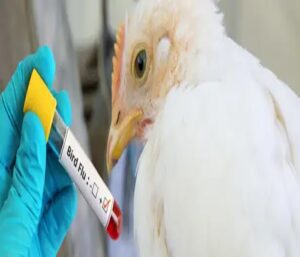
Bird Flu Cases: Rising bird flu infections across the United States during the winter season have renewed pressure on federal authorities to take stronger action. In a recent letter addressed to Agriculture Secretary Brooke Rollins, a bipartisan group of lawmakers urged the USDA to introduce a more decisive and transparent plan to combat the spread of the virus. The appeal reflects growing concerns from both policymakers and the agricultural sector as outbreaks continue to strain poultry operations and create uncertainty for producers.
Growing Legislative Pressure for a Clear Response Strategy
Twenty-three senators joined the call for reinforced measures, emphasizing that any long-term solution must be rooted in practical experience and scientific evidence. Led by Senator Amy Klobuchar of Minnesota and Senator Mike Rounds of South Dakota, the group highlighted the importance of incorporating feedback from animal health specialists and industry professionals. Their message reflects the broader sentiment in Congress that the federal response must evolve as new data and challenges emerge. The participation of Senate Majority Leader John Thune and multiple members of the Senate Agriculture Committee underscores the urgency of the issue.
Federal Funding and Research Goals Under Scrutiny
Earlier this year, the USDA committed substantial resources to combat bird flu, including a $100 million investment focused on developing vaccines and therapeutics for egg-laying poultry. This initiative was introduced as part of a broader framework aimed at reducing the economic and supply-chain disruptions caused by repeated outbreaks. While the agency received hundreds of research proposals for this funding, stakeholders have grown concerned due to the lack of updates or clarity on how selected projects will move forward. Producers and animal health experts continue to call for timely communication to maintain confidence in the national response plan.
Policy Shifts and Their Impact on Vaccine Development
Federal priorities regarding vaccine research have shifted in recent months. The cancellation of a major vaccine development contract with Moderna raised new questions about the direction of national preparedness. Additional rollbacks of long-standing vaccine initiatives have added to the uncertainty surrounding the availability of advanced tools needed to control future outbreaks. These policy movements have drawn criticism from health advocates and industry groups who argue that consistent investment in research is central to preventing both economic losses and public health risks.
Concerns Within the Poultry Sector Over Trade Impacts
Although vaccination is viewed by many as a promising tool, the poultry industry remains cautiously divided. One of the major points of concern is how widespread vaccination could affect export relationships. Countries that import U.S. poultry products often impose stricter trade rules on vaccinated flocks due to detection challenges and differing biosecurity standards. The senators therefore urged the USDA to consult closely with international partners and domestic producers before finalizing any vaccination policy. Their letter stressed the need to prevent unintended trade barriers that could negatively affect farmers already dealing with production challenges.
Need for Transparent Coordination With Trading Partners
As revealed in previous discussions, the USDA has not yet shared a comprehensive vaccination framework with international trade partners. This lack of communication has left producers uncertain about how future regulations might shape their business decisions. Lawmakers emphasized that effective disease control requires not only scientific progress but also diplomatic coordination to maintain market stability. A clear and proactive plan, they argued, is essential to reassuring global buyers and supporting long-term industry resilience.