Robotaxi – Tesla’s Austin Fleet Reports Multiple Crash Incidents
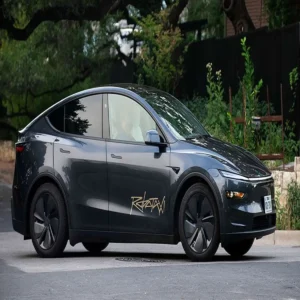
Robotaxi – Tesla’s experimental robotaxi program in Austin has recorded more than a dozen crash-related incidents since it began operating in the Texas capital, according to regulatory filings submitted by the company to federal authorities.
Federal Filings Reveal Incident Count
Data provided by Tesla to the National Highway Traffic Safety Administration shows that 14 crashes have been linked to its automated driving system over roughly eight months of service. Automakers are required under a standing federal order to notify regulators when vehicles equipped with advanced driver assistance or self-driving technology are involved in certain types of crashes.
Tesla introduced its limited robotaxi service in Austin in June, initially deploying around a dozen vehicles. Each car operated with a human safety monitor in the front seat during the early phase. Since then, the company has gradually increased the number of vehicles in the fleet, though it has not publicly disclosed the current total.
Early Incidents and Updated Reports
The first reported crash occurred in July, shortly after the service launched. At the time, Tesla indicated that the incident resulted only in property damage. However, in a follow-up filing submitted in December, the company updated that report to include minor injuries and a hospitalization connected to the same event.
Another crash from July also involved minor injuries, according to the filings. Details surrounding both incidents remain limited, as Tesla typically provides minimal narrative descriptions in its submissions. Unlike some competitors, the company often redacts portions of its reports, citing only basic information such as property damage or general injury classifications.
January Brings Additional Reports
In its most recent update to regulators, Tesla listed five additional incidents that took place in December and January. One January crash involved a stationary robotaxi and an Austin city bus. The circumstances surrounding the collision were not extensively described in the report.
Two separate incidents involved robotaxis reversing into stationary objects in parking lots. As with earlier cases, most filings emphasized property damage, with few specifics about the driving conditions or system behavior leading up to the crashes.
It remains unclear whether any of the newly reported incidents involved vehicles operating without a human safety monitor. After conducting tests in December, Tesla began offering fully driverless rides in January in what the company described as “a few” vehicles within its Austin fleet. Those cars operated without a safety monitor seated inside.
Austin Remains Sole Driverless Market
Austin is currently the only city where Tesla offers robotaxi rides using automated driving technology. While the company launched a ridesharing option in the San Francisco Bay Area last year using the same mobile app, those trips rely on human drivers and function more like traditional ride-hailing services.
Tesla has not specified how many vehicles are actively running as robotaxis in Austin. In January, Chief Executive Officer Elon Musk said that between Austin and the Bay Area, approximately 500 rideshare vehicles were in operation. He did not break down how many of those were fully autonomous.
Competition and Expansion Plans
The company faces competition from Alphabet’s Waymo, which operates around 2,500 autonomous vehicles across multiple U.S. cities, including Phoenix, San Francisco, Austin, Los Angeles, Atlanta and Miami. Waymo has reported hundreds of incidents since mid-2023, including about 50 in Austin, where it runs roughly 200 vehicles through the Uber app.
Tesla has previously indicated that it plans to expand its robotaxi service to about seven additional cities by the middle of the year. Similar expansion targets announced for the end of last year were not met.
As Tesla continues to invest heavily in autonomy and robotics amid challenges in its core electric vehicle business, the performance and safety record of its robotaxi operations are likely to remain under close regulatory and public scrutiny.