Solar Boom: U.S. Installations Soar 49% in the Third Quarter, Says New Report
Solar Boom: The American solar industry is experiencing an exhilarating, history-making boom. A recent, authoritative study released by the Solar Energy Industries Association (SEIA) and Wood Mackenzie revealed that the U.S. installed an astounding 11.7 gigawatts (GW) of new solar capacity in the third quarter alone. This monumental achievement represents a jaw-dropping 49% sequential leap, signaling that the nation’s renewable energy sector is not merely growing—it is accelerating at a breakneck pace. This single quarter’s performance firmly positions solar as the dominant player in the clean energy landscape.
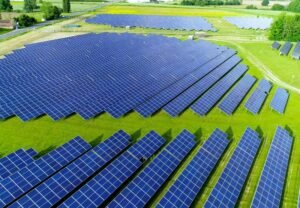
Solar Dominance: Powering More Than Half of New U.S. Electricity Generation
The sheer scale of solar’s contribution to the U.S. energy grid is nothing short of revolutionary. Through the end of the third quarter, solar energy accounted for a stunning 58% of all new electricity-generating capacity added across the country. With more than 30 GW installed year-to-date, this renewable powerhouse is rapidly eclipsing traditional and other alternative energy sources. This sustained trajectory of installation reflects a profound and irreversible shift in the nation’s energy mix, driven by a commitment to sustainability and energy independence. The market is unequivocally stating that solar is the future of American power.
Policy Power Plays: Unlocking the Utility-Scale Project Pipeline
The recent, dramatic upswing in solar installations follows a significant period of market volatility and uncertainty. Much of the industry-wide disruption was tied to the complexities and implementation delays surrounding the seminal One Big Beautiful Bill Act (OBBBA). However, the data confirms that the most substantial gains in the third quarter were primarily fueled by the successful completion and grid integration of utility-scale solar projects. These massive installations, which had been under development for months and largely overcame their final hurdles in the preceding quarter, are the engine driving the current record-breaking numbers. Their scale demonstrates the immense capital and operational efficiencies now possible in the large-scale solar sector.
The Tax Credit Countdown: A Race Against the Regulatory Clock
The OBBBA, while initially disruptive, is now acting as a powerful incentive, creating a time-sensitive imperative for developers. The legislation offers a highly attractive 30% investment tax credit (ITC), along with potential bonuses that can further escalate the subsidy value. Crucially, to qualify for these lucrative financial benefits, projects must either begin construction by July of next year or enter full commercial service by the end of 2027. This regulatory deadline has introduced a significant element of urgency and competitive pressure across the entire solar and energy storage industries, effectively accelerating the timeline for thousands of gigawatts of planned capacity. The financial structure of the credit is designed to reward rapid deployment.
Headwinds Ahead: Industry Bottlenecks and Supply Chain Strain
Despite the overall positive trend, the pace of solar installations experienced a noticeable deceleration within the quarter itself, indicating persistent challenges within the operational environment. The industry continues to grapple with various constraints, most notably supply chain bottlenecks that affect the timely delivery of key components like inverters and trackers. Furthermore, the residential solar segment—which involves rooftop installations on individual homes—was the most severely impacted. This vital segment saw a challenging 4% decline in the third quarter compared to the same period in the previous year, suggesting that rising costs, interest rates, and localized permitting issues are having a greater effect on consumer-facing businesses.
The Permitting Paralysis: A Gigawatt Gridlock Threatens Future Growth
One of the most insidious and enduring obstacles to the rapid deployment of solar and storage technology remains the labyrinthine process of permitting and regulatory approval. These administrative delays are not merely inconvenient; they represent a significant hurdle that is slowing down the national energy transition. According to alarming industry estimates, more than 117 gigawatts of proposed solar and energy storage capacity are currently trapped in the bureaucratic mire of the permitting process. This staggering volume of potential power is sidelined, awaiting final sign-offs, effectively putting a brake on economic activity and environmental progress.
Red Tape Roadblocks: The Interior Department’s Impact on Deployment
The regulatory environment, particularly concerning federal land and inter-agency coordination, is a point of acute tension for solar developers. Sean Gallagher, Senior Vice President of Policy at SEIA, highlighted this challenge, stating, “Any such project in the country is subject to the red tape that the Interior Department has erected for solar… If they don’t have their final permits yet, the Interior Department red tape could hold them up.” This commentary underscores a major concern: even the most financially viable and technically sound projects can be indefinitely stalled by administrative bureaucracy, preventing essential energy facilities from coming online.
A Call for Policy Correction: Unleashing the Full Potential of Clean Energy
Gallagher’s remarks were a direct and urgent plea to policymakers, emphasizing that the current administrative barriers are self-defeating. He stressed, “They’re not going to be able to come online unless the administration changes course on its policies that are prohibiting or delaying the construction of new energy facilities.” This is a clear call for the government to not only incentivize clean energy development through tax credits but also to actively dismantle the internal operational obstacles that prevent the timely execution of these projects. Streamlining permits is as crucial as providing subsidies.
Residential Headwinds and Module Availability: SEIA Adjusts its Outlook
The continuing challenges in the residential market and the uncertainty surrounding the supply chain have led SEIA to temper its near-term forecasts. The organization has slightly lowered its outlook for residential solar installations for 2025 by 2% and for 2026 by 8%. This cautious adjustment reflects a recognition of the combined impact of high interest rates, policy changes affecting local incentives, and the persistent issue of component availability. Furthermore, the report added a critical warning: the availability of high-quality solar modules is expected to remain tight throughout the entirety of next year, potentially keeping costs elevated and project completion times stretched.
The Long-Term Forecast: Momentum Meets Market Maturity
While the solar industry celebrates a record-shattering quarter and the utility-scale segment drives immense growth, the revised outlook for residential solar and the ongoing issues with permitting and supply chains highlight a critical stage in the industry’s maturation. The overall momentum is undeniable, powered by strong demand and federal incentives. However, the future trajectory will depend less on the capacity for innovation and more on the ability of the regulatory environment and the global supply chain to support the massive scale of deployment required. The U.S. is on the cusp of an energy revolution, but overcoming logistical friction is now the primary challenge.